How the Turks Pioneered the Art of Handwoven Carpets and Silk Rugs
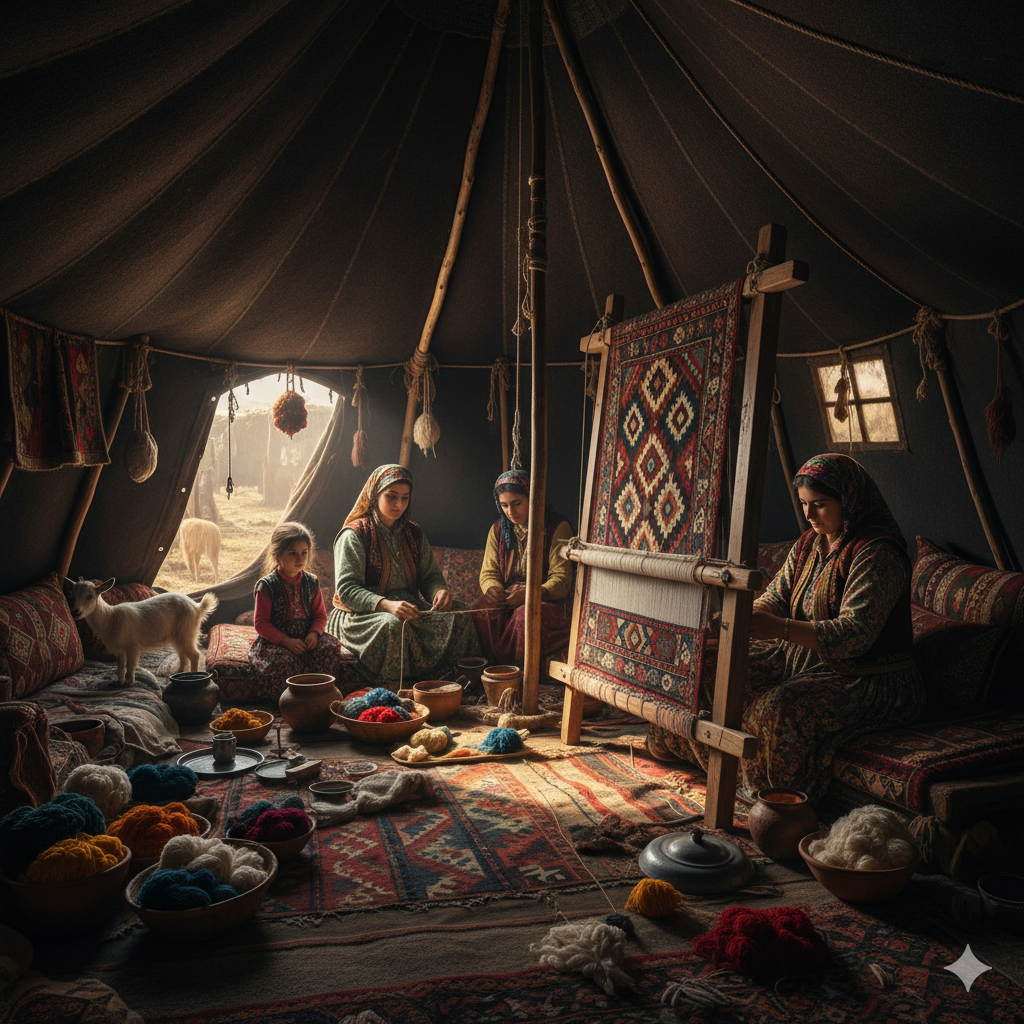
The art of carpet weaving — one of humanity’s oldest crafts — began not in Persia or China, but with the nomadic Turkic tribes of Central Asia. Long before the Silk Road became a trade network, Turkish communities living on the steppes had already developed advanced weaving traditions that blended practicality with artistry.
Archaeological evidence offers undeniable proof: the Pazyryk Carpet, discovered in the Altai Mountains and dated to the 5th century BCE, is widely accepted as the oldest known handwoven carpet in the world. The motifs, knot technique, and symmetrical double-knot structure found in this carpet are distinctively Turkic — not Persian.
Experts note that the Turkish (Gördes) knot, used in the Pazyryk Carpet, became the foundation for many later weaving traditions across Anatolia, the Caucasus, and beyond. This knotting style gives Turkish carpets their durability, clarity of design, and balanced symmetry — features that define the highest quality handmade rugs even today.
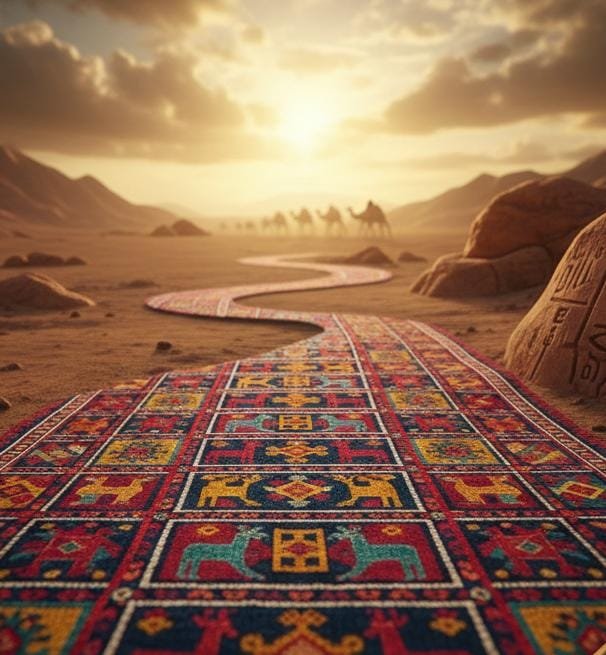
As Turkic tribes migrated westward, they carried their weaving skills into Anatolia, where the Seljuks and later the Ottomans elevated rug-making into a refined art form. The geometric motifs, symbolic animal figures, and natural dye techniques of early Turkish carpets inspired later weaving cultures along the Silk Road.
By the time European travelers like Marco Polo reached Anatolia in the 13th century, they were astonished by the beauty and sophistication of Turkish carpets — describing them as “the most beautiful rugs in the world.”
In truth, the story of carpet weaving is the story of the Turks — the first to transform thread, wool, and dye into a language of culture, belief, and identity.